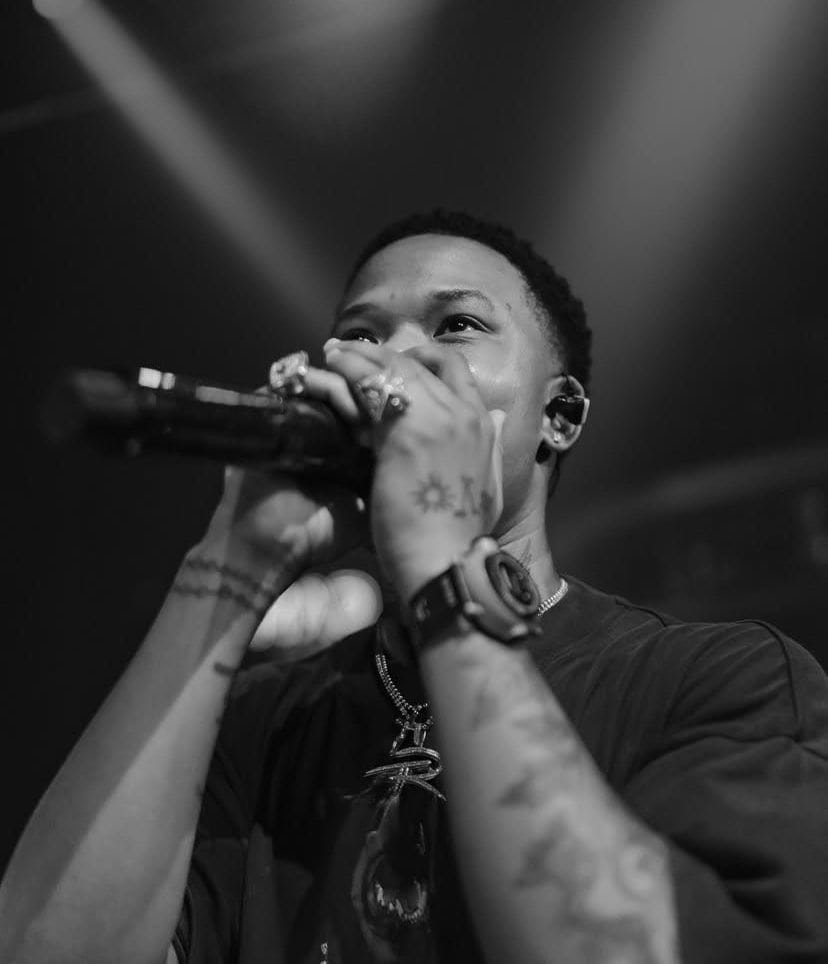
As the ongoing comparison between South Africa’s Nasty C and Ghana’s rap heavyweight Sarkodie. Both artists are giants in their own right, yet conversations across social media, radio, and fan forums continue to explore whether the younger South African star is beginning to edge past the Ghanaian rap legend.
Global Versatility and Modern Sound
One of the strongest points raised by fans in Nasty C’s favor is his ability to navigate multiple hip-hop sub-genres with ease. From trap to melodic rap and R&B-infused hip-hop, Nasty C’s catalog reflects a dynamic, modern sound that aligns closely with global rap trends. This versatility has made him a favorite among younger audiences and listeners outside Africa.
English-Driven Lyricism With Wider Accessibility
While Sarkodie is celebrated for his masterful use of Twi and rapid-fire delivery, some international listeners argue that Nasty C’s English-based lyricism gives him an advantage in global audiences’ ears. His punchlines, storytelling, and wordplay are more immediately accessible to non-Ghanaian fans, which has contributed to his rising international appeal.
A Fresh, Trend-Aligned Artistic Identity
His artistry reflects a youthful, trend-conscious approach that resonates with today’s global hip-hop landscape. His music, visuals, and branding place him firmly in the contemporary rap world, allowing him to attract both African fans and new listeners from abroad.

High-Profile Collaborations and Global Reach
With collaborations alongside major international acts such as T.I. and Ari Lennox, Nasty C continues to extend his reach beyond the continent. Fans argue that these cross-border collaborations, combined with mainstream-friendly production, amplify his global visibility and make his sound feel international.
Emotional Depth and Vulnerable Storytelling
Another aspect of Nasty C’s artistry often highlighted by supporters is his willingness to explore personal topics from family dynamics to emotional struggles. This blend of vulnerability and lyricism offers a different dimension to his music, adding depth that some fans feel sets him apart.
Despite these arguments, hip-hop enthusiasts emphasize that the conversation isn’t about discrediting Sarkodie, whose influence, longevity, and cultural impact remain unmatched. Instead, the debate reflects the evolution of African hip-hop, where multiple artists from different regions continue to raise the bar.
As African rap expands globally, comparisons like these are likely to continue not to divide, but to celebrate the diversity, creativity, and growth of the continent’s music scene.
Stay With Us For Trending Entertainment News